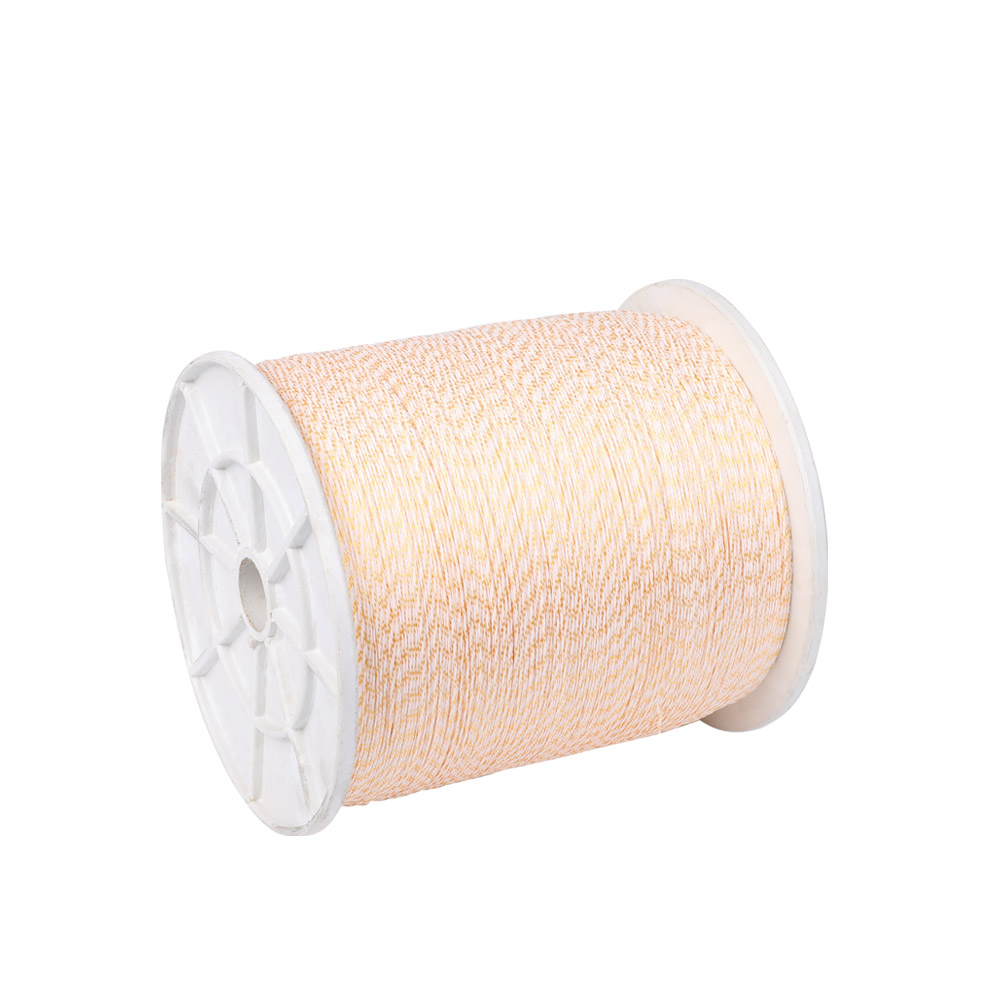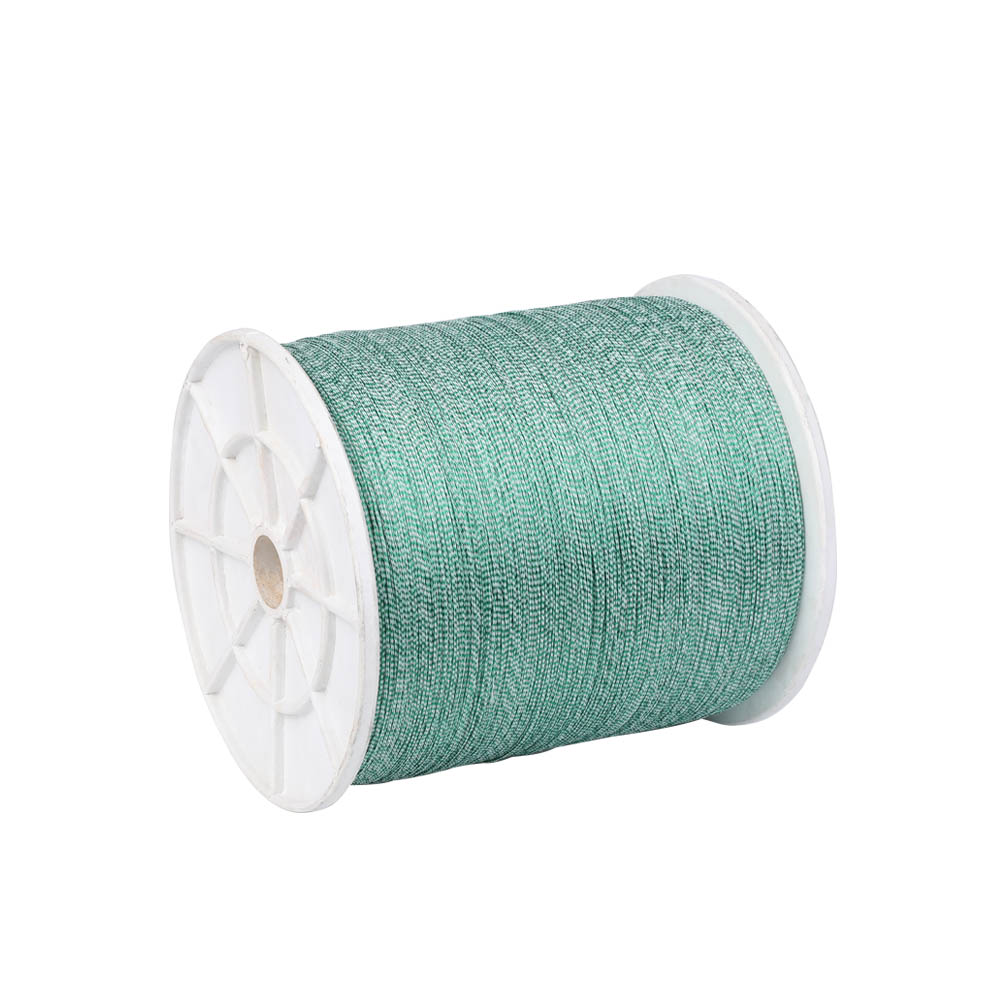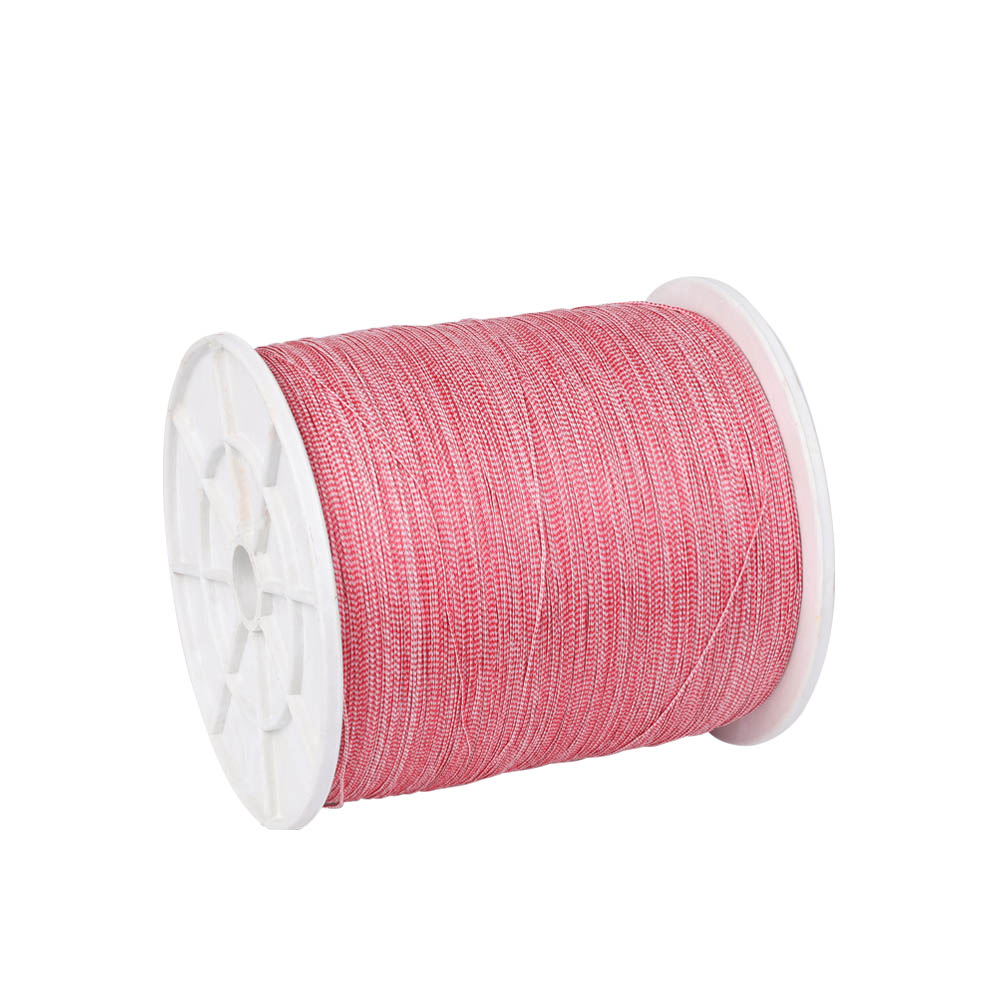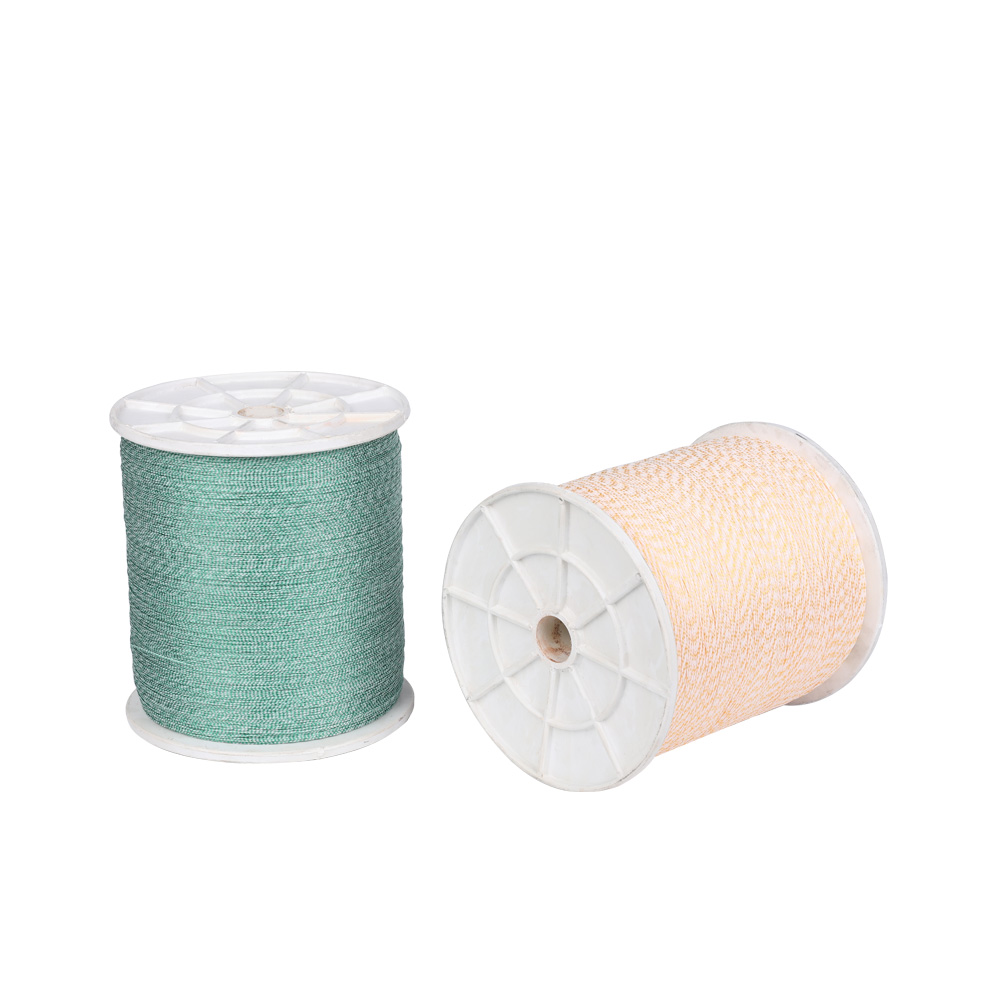
What Is Refrigerator Motor Binding Wire?
Refrigerator motor binding wire is a specialized wire used to secure and hold together the windings inside a refrigerator compressor motor. During motor assembly, the copper windings need to be tightly bound in place to prevent movement, vibration, or loosening once the motor is running. Binding wire wraps around these windings to keep them structurally secure, which directly affects the motor's performance, noise level, and long-term durability.
While it might seem like a minor component compared to the motor's core electrical parts, binding wire plays a critical mechanical role. Without proper binding, windings can shift over time due to vibration and heat cycling, eventually leading to insulation damage, electrical shorts, or premature motor failure.
Why Binding Wire Quality Directly Affects Motor Reliability
Refrigerator compressors run for years, often operating continuously with frequent on-off cycling. This constant thermal expansion and contraction puts real mechanical stress on internal components, including the windings held in place by binding wire. If the wire lacks sufficient tensile strength or heat resistance, it can loosen or degrade over time, allowing windings to shift and eventually cause insulation wear or short circuits.
- Prevents winding movement caused by vibration during motor operation
- Maintains consistent winding shape for stable electrical performance
- Reduces long-term risk of insulation damage from friction or shifting
- Helps maintain lower operating noise levels over the motor's lifespan
- Supports overall compressor longevity and reduces early failure rates
This is exactly why motor manufacturers treat binding wire selection as more than a minor sourcing decision — it has a direct, measurable impact on product warranty claims and field failure rates.
Key Properties to Look for in Motor Winding Binding Wire
Not all binding wire performs the same way inside a refrigerator compressor motor. Several material properties determine whether it will hold up under real operating conditions.
Tensile Strength
The wire needs enough tensile strength to stay tightly wrapped around windings without stretching or loosening over years of vibration and thermal cycling.
Heat Resistance
Compressor motors generate heat during operation, so binding wire must maintain its mechanical properties even under sustained thermal exposure without becoming brittle or losing tension.
Insulation Compatibility
The wire's surface coating or material composition needs to be electrically compatible with the winding insulation, avoiding any risk of chemical reaction or insulation breakdown over time.
Comparing Common Binding Wire Materials
Manufacturers typically choose between a few different material types when sourcing binding wire, each offering different strengths depending on the application.
| Material Type | Key Strength | Best Suited For |
| Cotton-based binding wire | Flexibility and ease of handling | Lower-heat, smaller motor applications |
| Polyester binding wire | Good balance of strength and heat resistance | Standard refrigerator compressor motors |
| Fiberglass-reinforced wire | High heat and mechanical durability | Heavy-duty or high-output motors |
Choosing the right material depends heavily on the motor's operating temperature range and expected service life, so it's worth matching wire specifications to the actual compressor design rather than defaulting to whatever is cheapest.
Common Mistakes When Sourcing Binding Wire
Motor manufacturers sometimes run into avoidable quality issues when sourcing binding wire, often due to overlooking small but important details.
- Choosing wire based on price alone without verifying heat resistance ratings
- Failing to test wire performance under actual motor operating temperatures
- Overlooking batch-to-batch consistency, which can cause unpredictable field failures
- Not confirming compatibility with the specific winding insulation material used
Catching these issues early during supplier evaluation saves significant rework and warranty costs down the line, especially for manufacturers producing motors at high volume.
Tips for Sourcing Refrigerator Motor Binding Wire in Bulk
When ordering refrigerator motor binding wire at scale, it's worth requesting samples and running them through your own quality testing before committing to a large purchase order. Ask suppliers for documented heat resistance data, tensile strength test results, and consistency reports across different production batches.
It's also good practice to confirm the supplier's quality control process and whether they can provide certificates of compliance for the materials used. A supplier who can back up their product claims with real testing data is generally a safer long-term partner for motor manufacturers that depend on consistent, reliable component quality.